


Page 42 - Studia Universitatis Hereditati, vol 13(1) (2025)
P. 42
asma theory, which attributes the transmission
                                                           of disease to foul air, but also illustrates the hu-
                                                           man reaction to the devastating effects of the
                                                           epidemic.
                                                               The depiction of the plague at the bottom
                                                           of the painting made a deep impression on me.
                                                           I could well imagine the emotions it evoked in
                                                           those who visited the church and heard stories
                                                           about the plague that had been passed down
                                                           through generations. These images, along with
                                                           the sculptural representations of saints and an-
                                                           gels who served as protectors against the plague,
        42                                                 acted as a form of visual communication. Ac-
                                                           cording to a church representative I spoke to,
        studia universitatis hereditati, letnik 13 (2025), številka 1 / volume 13 (2025), number 1
                                                           some  older  parishioners  still  occasionally  pray
                                                           for health at this side altar. However, there is
                                                           currently a lack of information or explanation
                                                           about this particular depiction. This gap exists
                                                           because the altarpiece was primarily analysed
                                                           from an art historical point of view. One art his-
                                                           torian noted that ‘the quality of the lower part of
                                                           the altarpiece’, which illustrates the effects of the
                                                           epidemic, ‘is not comparable to the surrounding
                                                           sculptural works on the altarpiece’ (see: Kostan-
                                                           jšek Brglez 2019, 74; Šerbelj 1983, 205), which led
                                                           to a greater focus on these elements.

                                                           b) On altars associated with health and disease
                                                           Plague epidemics are remembered in the col-
                                                           lective  consciousness  today  as  the  deadliest.  It
                                                           is therefore not surprising that the responses
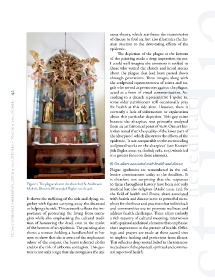
               Figure 1: The plague altar in the church of St Andrew in   to them throughout history have been not only
               Makole, Slovenia (Kostanjšek Brglez 2022b, 40).  medical but also religious (Atalić 2019, 232). In
                                                           the field of health and illness, altars associated
               It shows the suffering of the sick and dying, to-  with health and disease serve as powerful meta-
               gether with figures carrying away the deceased   phors for the focus and practises that individuals
               or helping the sick. This artwork reflects the im-  and communities use to promote wellness and
               portance of protecting the living from conta-  address health challenges. These altars embody
               gion while also emphasising the cultural tradi-  a rich tapestry of cultural meaning, interwoven
               tion of honouring the dead, even in the midst   with spiritual and ritual elements that emphasise
               of the horrors of an epidemic. The painting also   their importance in the pursuit of health. Offer-
               shows a woman holding a handkerchief to her   ings and prayers are made at these sacred sites
               nose to show that she is aware of the unpleasant   to implore healing and protection from illness.
               odour of the corpses, the burnt infected cloths   This reflects a deep-rooted belief in the intercon-
               and/or the risk of airborne contagion. This ges-  nectedness of the physical, spiritual and commu-
               ture is not only a sign that she recognises the mi-  nal aspects of health.

