


Page 66 - Studia Universitatis Hereditati, vol 13(2) (2025)
P. 66
66

        studia universitatis hereditati, letnik 13 (2025), številka 2 / volume 13 (2025), number 2


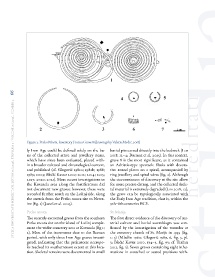
               Figure 2: Preko Mosta, Inventory From a Grave 8 (drawings by Valeria Medić, 2018)

               ly Iron Age could be defined solely on the ba-  burial pits carved directly into the bedrock (Los
               sis of the collected attire and jewellery items,   2018, 12–4; Burmaz et al. 2025). In this context,
               which have since been evaluated, placed with-  grave  8  is  the  most  significant,  as  it  contained
               in a broader cultural and chronological context,   an Adriatic-type spectacle fibula with decora-
               and published (cf. Glogović 1982a; 1982b; 1988;   tive round plates on a spiral,  accompanied by
               1989; 2003; Blečić Kavur 2010; 2012; 2014; 2015;   ring jewellery and spiral wires (fig. 2). Although
               2017; 2020; 2021). More recent investigations in   the circumstances of discovery at the site allow
               the Kavanela area along the fortifications did   for more precise dating, and the collected skele-
               not document new graves; however, these were   tal material is extremely degraded (Los 2018, 12),
               recorded further south on the Lošinj side, along   the grave can be typologically associated with
               the stretch from the Preko mosta site to Nerez-  the Early Iron Age tradition, that is, within the
               ine (fig. 1) (Janeš et al. 2025).           9th–8th centuries BCE.

               Preko mosta                                 Sv. Marija
               The recently excavated graves from the southern   The first direct evidence of the discovery of ma-
               Preko mosta site on the island of Lošinj comple-  terial culture and burial assemblages was con-
               ment the wider cemetery area at Kavanela (fig 1;   firmed by the investigation of the tumulus at
               2). Most of the interments date to the Roman   the cemetery church of Sv. Marija in 1959 (fig.
               period, with only three Iron Age graves investi-  1; 3) (Mladin 1960; Glogović 1989, 6, fig. 3, pl.
               gated, indicating that the prehistoric necropo-  3; Blečić Kavur 2010, 134–5, fig. 93; cf. Teržan
               lis reached its southernmost extent at this loca-  2013, fig. 3). Seven graves containing eight inhu-
               tion. Skeletal remains were documented in small   mations in crouched or seated positions with-

