


Page 106 - Studia Universitatis Hereditati, vol 13(1) (2025)
P. 106
opium dissolved in alcohol, often combined with
                                                           other ingredients, as a treatment for pain and
                                                           coughs (Sigerist 1941).
                                                               Garcia da Orta, the Portuguese physician in
                                                           Goa (India) also wrote a chapter on his Colóqui-
                                                           os about amfião. Among several points of infor-
                                                           mation, he asserted that it is the same product as
                                                           the one called opium in Europe, and being eat-
                                                           en by some men, they claimed that it made them
                                                           ‘not feel the labour’, although the majority used
                                                           it for ‘carnal lust’ (Orta 1563, 154).
                                                               More than a century later, European ob-
        106                                                servers reported opium use in the Ottoman Em-
                                                           pire. In 1686, the French diplomat Girardin de-
        studia universitatis hereditati, letnik 13 (2025), številka 1 / volume 13 (2025), number 1
                                                           scribed court celebrations in Istambul where
                                                           wine and tobacco were banned, but certain indi-
                                                           viduals consumed a form of opium called afium
                                                           benghilik, or hannebaume. He wrote that it ren-
                                                           dered  employers  to  become  ‘stupid’  and  trans-
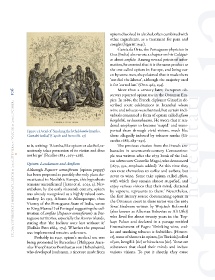
               Figure 3: Detail of ‘Smoking the lethal liamba [riamba,   ported them  through vivid visions,  much like
               Cannabis indica]’ (Capelo and Ivens 1881, 27)  those allegedly induced by tobacco smoke (Gi-
                                                           rardin 1686, 289–291).
               to it, writing: ‘Riamba, like opium or alcohol, te-  The previous citation from the French am-
               naciously takes possession of its victim and does   bassador in seventeenth-century Constantino-
         f3    not let go’ (Ficalho 1884, 267–268).        ple was written after the 1679 book of the Ital-
                                                           ian adventurer Cornelio Magni, who denounced
               Opium: Laudanum and Amfiam                  (1679, 592, emphasis added): ‘At this time they
               Although  Papaver somniferum (opium poppy)   can treat themselves to coffee and sorbets, but
               has been proposed as possibly the only plant do-  never to wine. Some take opium called  Afion,
               mesticated in Neolithic Europe, this hypothesis   with which they remain almost stupefied, and
               remains unconfirmed (Jesus et al. 2023, 2). Nev-  enjoy various visions that their mind, cluttered
               ertheless, by the early sixteenth century, opium   by vapours, represents to them.’ Nevertheless,
               was already recognized as a highly valued com-  the first literary source documenting opium in
               modity. In 1513, Afonso de Albuquerque, then
               Viceroy of the Portuguese State of India, wrote   the Ottoman court in these terms was the 1665
               to King Manuel I of Portugal suggesting the cul-  Serai Enderum written by Wojciech Bobowski
               tivation of amfião (Papaver somniferum) in Por-  (also known as Albertus Bobovius or Ali Ufkî)
               tuguese territories, especially the Azores islands,   who lived for about twenty years in the Top-
               stating that ‘the Indians were lost without it’   kapı Palace and declared in a passage entitled
               (Bulhão Pato 1884, 174). Whether the proposal   Entertainment  of  Pages:  ‘Drinking  wine,  vod-
               was implemented remains unknown.            ka and smoking tobacco is forbidden. [Howev-
                   Probably in 1527, opium’s medical use was   er], some of them take opium, [in Turkish] called
               being promoted by Paracelsus (Philippus Aure-  afyon, bengilik [sic] or hiosciamo [sic]. These are
               olus Theophrastus Bombastus von Hohenheim),   substances that  cloud their minds and  induce
               who developed laudanum, a tincture made from   various visions. To put it shortly, they cause

