


Page 48 - Studia Universitatis Hereditati, vol 13(2) (2025)
P. 48
48

        studia universitatis hereditati, letnik 13 (2025), številka 2 / volume 13 (2025), number 2


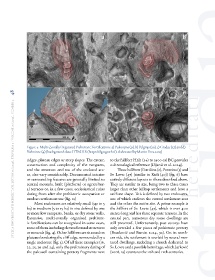
               Figure 4: Multi-Zonally Organised Prehistoric Fortifications: a) Pukonjina (21), b) Pelginja (20), c) Gradac (57) and d)
               Važminec (4) (background data: DTM HR (https://dgu.gov.hr/); elaborated by Martin Fera, 2025)

               ridges, plateau edges or steep slopes. The extent,   to the hillfort Hrib (34) to 1900 cal BC provides
               construction and complexity of the ramparts,   a chronological reference (Ilijanić et al. 2024).
               and the structure and use of the enclosed are-  Three hillforts (Petričina (2), Porozina (3) and
               as, also vary considerably. Documented interior   Sv. Lovre (47) (similar to Kuši (40)) (fig. 6) have
               or surrounding features are generally limited to   entirely different layouts to those described above.
               central mounds, built (platform) or agricultur-  They are similar in size, being two to three times
               al terraces or, in a few cases, ecclesiastical ruins   larger than other hilltop settlements and have a
               dating from after the prehistoric occupation or   uniform shape. This is defined by two enclosures,
               modern settlement use (fig. 1a)             one of which encloses the central settlement area
                   Most enclosures are relatively small (up to 5   and the other the entire site. A prime example is
               ha) to medium (5 to 15 ha) in size defined by one   the hillfort of Sv. Lovre (47), which is over 400
               or more low ramparts, banks, or dry stone walls.   metres long and has three separate terraces. In the
               Extensive, multi-zonally organised prehistor-  central part, numerous dry stone dwellings are
               ic fortifications can be recognised in some cases,   still preserved. Unfortunately, past surveys have
               some of them including elevated round structures   only revealed a few pieces of prehistoric pottery
               or mounds (fig. 4). Other hillforts are situated on   (Branković and Benvin 2024, 92). On its north-
               plateaus bordering the cliff edge, surrounded by a   ern side, the settlement is overlaid by several mor-
               single enclosure (fig. 5). Of all these examples (16,   tared dwellings, including a church dedicated to
               22, 25, 29 and 34), only the preliminary dating of   Sv. Lovre and a possible hermitage, which Jurković
               the paleosoil containing pottery fragments next   (2008, 19) counts to the 11th and 12th centuries.

