


Page 97 - Studia Universitatis Hereditati, vol 13(2) (2025)
P. 97
97


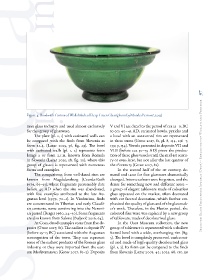
               Figure 4: Bowlwiith Carinated Walls Made of Deep Green Glass (photo by Monika Petrović, 2025)


               man glass industry and used almost exclusively   V and VI are dated to the period of cca 25–15 BC
               for this group of glassware.                to cca 40–45 AD, carinated bowls, pyxides and
                   The plate (pl. 1, 1) with carinated walls can   a bowl with an out-turned rim are represented
               be compared with the finds from Slovenia as   in these strata (Grose 2017, 81, pl. 8, 134, 136–7,
               form 1.1.4. (Lazar 2025, 56, fig. 29). The bowl   139; 9, 154). Vessels presented in deposits VII and
               with carinated walls (pl. 1, 2) represents form   VIII (before cca 50–55 AD) prove the produc-
               Isings 2 or form 2.1.11. known from Romula   tion of these glass vessels until the mid-1st centu-
               in Slovenia (Lazar 2025, 58, fig. 30), where this   ry or even later, but not after the last quarter of
               group of glasses is represented with numerous   the 1 century (Grose 2017, 82).             Selected Glass Finds from Apsorus (Osor) – Reflection of Wealth and Prestige
                                                               st
               forms and examples.                             In the second half of the 1st century, de-
                   The comparisons from well-dated sites are   mand and taste for fine glassware dramatically
               known from Magdalensberg (Czurda-Ruth       changed. Intense colours were forgotten, and the
               1979, 65–91), where fragments presumably date   desire for something new and different arose –
               before 45 AD when the site was abandoned,   a group of elegant tableware made of colourless
               with few examples attributed to the late Au-  glass appeared on the market, often decorated
               gustan level (1979, 70–1). In Vindonissa, finds   with cut faceted decoration, which further em-
               are concentrated in Tiberian and early Claudi-  phasised the quality of glass and of the glassmak-
               an contexts, some continuing into the Neroni-  er’s work. Therefore, in the Flavian period, the
               an period (Berger 1960, 24–30). Some fragments   coloured fine ware was replaced by a new group
               are also known from Salona (Buljević 2016, 64).   of tableware, made of decolourised glass.
                   At Cosa, dated examples come from five de-  In the Osor Museum collection, the new
               posits (Grose 2017, 81). The earliest is deposit IV   group of tableware is represented with a shallow
               (before 25–15 BC) associated with the Augustan   footed bowl with a wide, overhanging rim (fig.
               reoccupation of the town. They can represent   5). The bowl is completely preserved, undecorat-
               some of the earliest products of the Roman glass   ed and made of high-quality decolourised glass
               industry, or they were imported from the east-  (pl. 1, 3). Its form can be compared to the finds
               ern Mediterranean (Grose 2017, 81–2). Deposits   from Slovenia (Lazar 2003, 42; 2025, 68, cat. no

